
Food & Agri
Data-Driven Breeding of Red Shiso (Digital Breeding)
Together with Mishima Foods and Hiroshima University, we sequenced approximately 99% of the red shiso genome (approx. 1.26 billion base pairs) at the chromosome level, determining genome sequence information for digital breeding.
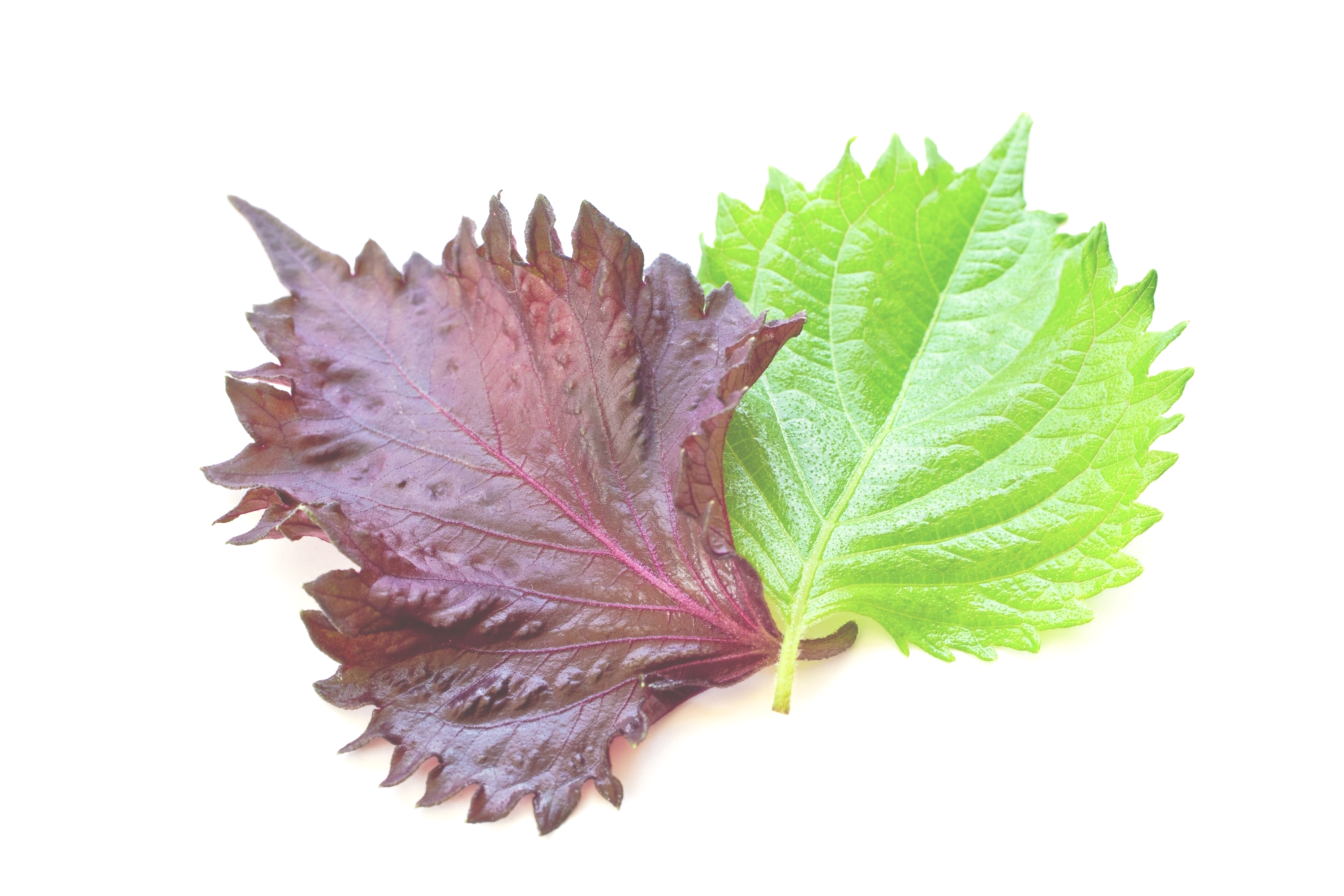
Chromosome-Level Genome Sequence Information Obtained
Using DNA sequencing, we determined genome sequence information for “red shiso,” one of the familiar foods on our tables, covering approximately 99% of its entire genome (approximately 1.26 billion base pairs) in large chromosome-level sequences.
Using Fanflow4Plants, a newly developed workflow for predicting plant gene function, the research team predicted functions for 72,983 genes, about 95% of the 76,825 protein-coding genes.
Why Genome Sequences Matter for Plant Breeding
By comparing genome sequences and expressed genes across different conditions and varieties, we can efficiently select varieties with the desired characteristics. To do this, we first need highly contiguous genome sequence information.
PtBio has extensive experience in everything from sample extraction to genome analysis, and applies it to a wide range of organisms.
Follow-up Research: Genome-Edited Shiso with Altered Metabolites
A research group from Hiroshima University, Mishima Foods, and the Hiroshima Prefectural Technology Research Institute used genome editing (CRISPR-Cas9) to disrupt the flavanone 3-hydroxylase (F3H) gene in red shiso. The researchers obtained green-leaved lines, and under the test conditions, one line contained about six times as much luteolin, an antioxidant and anti-inflammatory compound, as unedited plants of the same cultivar.
The study used the genome sequence described above to locate the edited genes, analyze gene expression, and check for unintended edits at other sites (Matsushita et al., Front. Plant Sci., 2026).
Related information
- Partners in the genome sequencing study: Mishima Foods / Hiroshima University / National Institute of Genetics / Hiroshima Prefectural Technology Research Institute / PtBio
- Research group for the genome editing study: Hiroshima University / Mishima Foods / Hiroshima Prefectural Technology Research Institute
- Field: Food & Agri, sustainable procurement of food resources, digital breeding
- Hiroshima University press release (genome sequencing): https://www.hiroshima-u.ac.jp/news/74543
- Hiroshima University press release (genome editing, June 30, 2026): https://www.hiroshima-u.ac.jp/news/98563
- Paper (genome editing): https://doi.org/10.3389/fpls.2026.1877946