
Food & Agri
Turning Food Waste into a Valuable Resource
In collaboration with Yanmar Holdings and Hiroshima University, we use metagenomic analysis to advance the recycling of food waste and other unutilized organic matter, aiming to establish a resource-circular food production system.
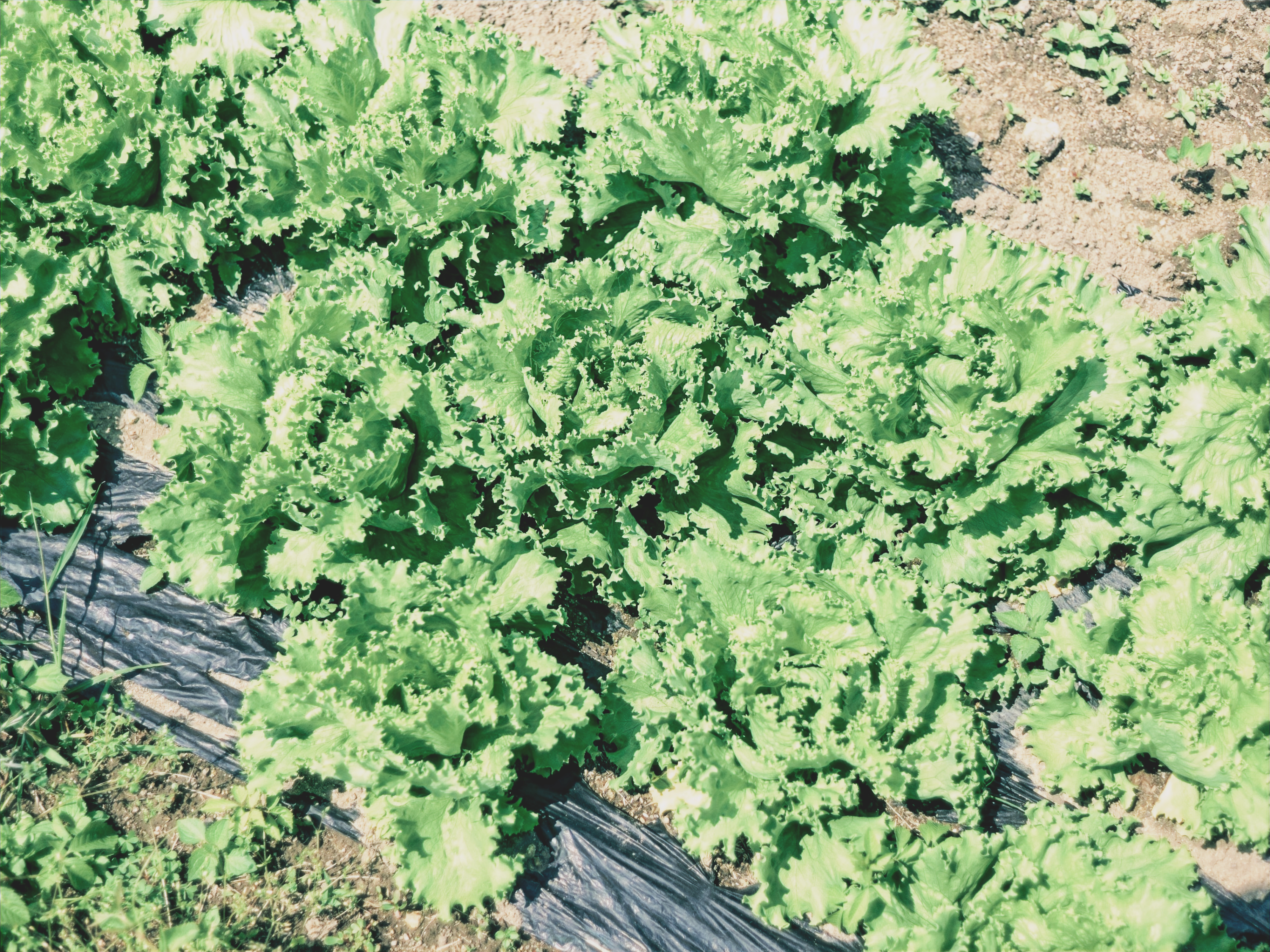
Project Vision
PtBio uses metagenomic analysis to help build resource-circular food production systems. Our goal is to establish a sustainable and efficient system for recycling unutilized organic matter through scientific analysis and optimization of microbial communities.
By combining metagenomic sequencing with our proprietary bioinformatics expertise, we improve the efficiency of recycling unutilized organic matter while giving due consideration to the environment. This technology enables detailed analysis of complex microbial communities that was previously difficult, improving both the efficiency of the recycling process and the quality of the resulting product.
This project is being advanced as a new model of industry-academia collaboration, with the following partners:
- Yanmar Holdings: a leading company in agricultural machinery
- Hiroshima University: an academic institution conducting genomic research
Background: Challenges Facing Resource-Circular Food Production
- The need to reduce environmental impact and promote resource circulation: solving waste management issues and reducing both chemical fertilizer use and environmental impact through a resource-circulation system built on composting food waste
- Improving the efficiency of the recycling process: growing demand to improve processing capacity and product quality in current systems for recycling unutilized organic matter
- Establishing a scientific evaluation system: the current absence of an objective, scientific system for evaluating the performance of processes that recycle unutilized organic matter
PtBio’s Approach
- Applying metagenomic analysis technology
- Using sequencing to elucidate the composition of complex microbial communities down to the species level
- Comprehensively analyzing the abundance ratios and functions of diverse microbial species
- Efficiently detecting changes in microbial communities under different processing conditions and applying them to optimization
- Optimizing and evaluating the conditions for recycling unutilized organic matter
- Running comparative experiments across multiple conditions, such as fermentation conditions and material composition
- Scientifically deriving the conditions best suited to the target material and purpose
- Fusing recycling technology with bioinformatics to derive a processing strategy that fits the goal
- Building an objective evaluation system that integrates multiple evaluation metrics
Project Outcomes and Social Impact
- Improving recycling efficiency through microbiome optimization
- Identifying processing conditions that fit the goal and clarifying their effect on microbial communities
- Identifying the microbial groups best suited to efficiently decomposing organic waste
- Substantially increasing the processing capacity of the recycling process for unutilized organic matter
- Establishing a scientific evaluation system and developing high-performance products
- Building an objective evaluation system that integrates multiple metrics
- Enabling the design of microbial materials optimized for specific applications
- Developing high-performance recycling systems that can handle a wide range of unutilized organic matter
- Contributing to sustainable agriculture and environmental conservation
- Substantially reducing environmental impact while promoting sustainable resource circulation
- Establishing a stable supply system for high-quality organic fertilizer
- Improving crop quality and yield through better soil conditions
- Playing an important role in building a circular economy
Through these outcomes and their social impact, our technology helps build resource-circular food production systems and a circular economy. Through these efforts, we will continue to improve and spread technology for recycling unutilized organic matter, contributing to sustainable agriculture and environmental conservation.
Related information
- Partners: Yanmar Holdings / Hiroshima University / PtBio
- Field: Food & Agri, resource-circular agriculture